Meeting the Moment: How Data, AI, and Youth Voice Are Shaping the Future of Career Navigation
March 5, 2026
Young people are making life-shaping decisions in a labor market evolving faster than ever. At the same time, advances in AI are generating unprecedented new datasets on career pathways and outcomes. The urgent question at the heart of the AI & Career Navigation Datathon was simple: how do we bridge the gap between complex datasets and the everyday decisions young people are making about their futures?
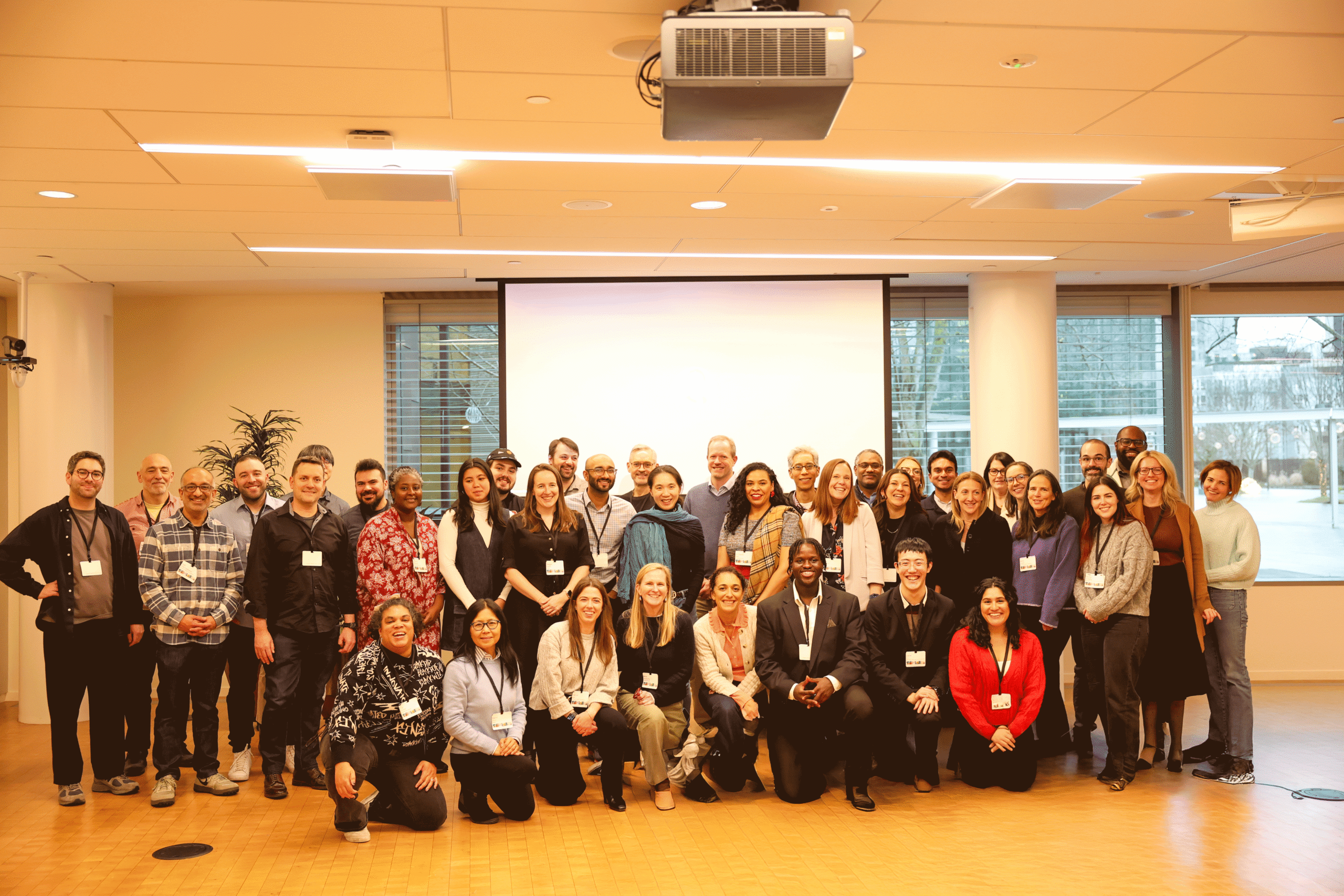
Over two days, seventy participants from more than twenty organizations came together to translate the Where You Work Matters dataset into actionable tools and insights that can help young people make more informed choices about their careers.
Meeting the Moment for Young People
Across the country, young adults are navigating shifting career pathways, more limited entry-level roles, and changing employer expectations. They are being asked to decide what to study, which first job to take, and how to build a path toward mobility—often with limited guidance. At the same time, the field now has access to powerful data on real career trajectories. The challenge is making that data usable and human.
As Matt Gee, director of U.S. Program Data at Gates Foundation, reflected during the Datathon: “We have youth really struggling to know what steps they should take next in their lives, and we have the data available to help answer those questions. But the challenge is: how do you go from a bunch of tables to real answers for youth asking questions?”
That question became the north star of the Datathon.
From Tables to Tools
Participants were not just analyzing data—they were actively prototyping and developing tools that could help counselors, teachers, adults, and young people make better decisions. Five leading career navigation organizations—Basta, Britebound, Campus Evolve, CareerVillage, and SkillUp—spent more than ten hours “hacking” on real products and features grounded in verified mobility data.
Being together in person made a critical difference. Teams were able to look under the hood of each other’s platforms, compare approaches, and learn in real time how different products guide young people toward opportunity. That level of transparency and collaboration is rare—and deeply valuable for a field that often works in parallel rather than in partnership.
The work centered on a key insight: early career decisions have ripple effects that last for years. Marie Groark, managing director at Schultz Family Foundation, emphasized why this matters: “We’ve learned that not every job is the same. In fact, where you work matters. This data can enable counselors, navigators, and mentors to coach a young person to understand that their first steps can make a huge impact on their career ladder and where they end up.”
Centering Youth Voice
What made the Datathon especially powerful was the presence of young people themselves, grounding the work in lived experience. One participant shared:
“I really motivated to see that people genuinely care about people like me—and that they’re trying to make sure we’re equipped for the future.”
These moments underscored that the Datathon was not just about technology. It was about trust—and about building systems that expand opportunity.
Looking Ahead
The Datathon was a starting point. It demonstrated the power of bringing philanthropy, product builders, and youth-serving organizations together in the same room to test ideas, share approaches openly, and accelerate learning across the field.
For philanthropy, this model offers a promising path forward: not only funding innovation, but actively convening an ecosystem, unlocking public-good datasets, and creating space for practitioners to collaboratively build and refine tools that directly impact young people’s lives. As AI continues to generate new datasets and insights, ensuring those insights are translated into usable guidance will require sustained, hands-on collaboration across sectors.
This is where models like the Datathon become especially powerful—not as one-off events, but as repeatable field-building mechanisms. Continued efforts to host and scale similar convenings will be critical to realizing the full potential of new datasets and ensuring they drive tangible outcomes for adults and young people.
Ultimately, this work is not about datasets or dashboards. It is about helping a young person answer the question, “What should I do next?”—with clarity, confidence, and possibility.